Dormer Loft Conversions: A Practical Guide for Homeowner
Dormer loft conversions open up a wide range of possibilities for transforming your home. With the generous headroom and floor space they provide, you can design almost any type of room to suit your lifestyle. Many homeowners choose to add an extra bedroom or create a quiet home office that’s separate from the main living…

Why you can trust our content
At a glance
Dormer loft conversions open up a wide range of possibilities for transforming your home. With the generous headroom and floor space they provide, you can design almost any type of room to suit your lifestyle. Many homeowners choose to add an extra bedroom or create a quiet home office that’s separate from the main living areas. Others take the opportunity to build a dedicated cinema room, a playroom, or a hobby and craft studio.
One of the major advantages of a dormer is the way it improves the overall functionality of the house. The added storage, such as eaves cupboards or shelving, can help free up space on the lower floors, making the whole property feel more organised and spacious. By giving everything a place to be stored, a dormer conversion enhances both the practicality and the comfort of your entire home.
What is a Dormer Loft Conversion?
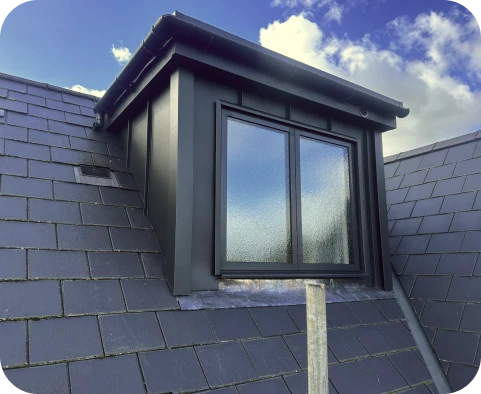
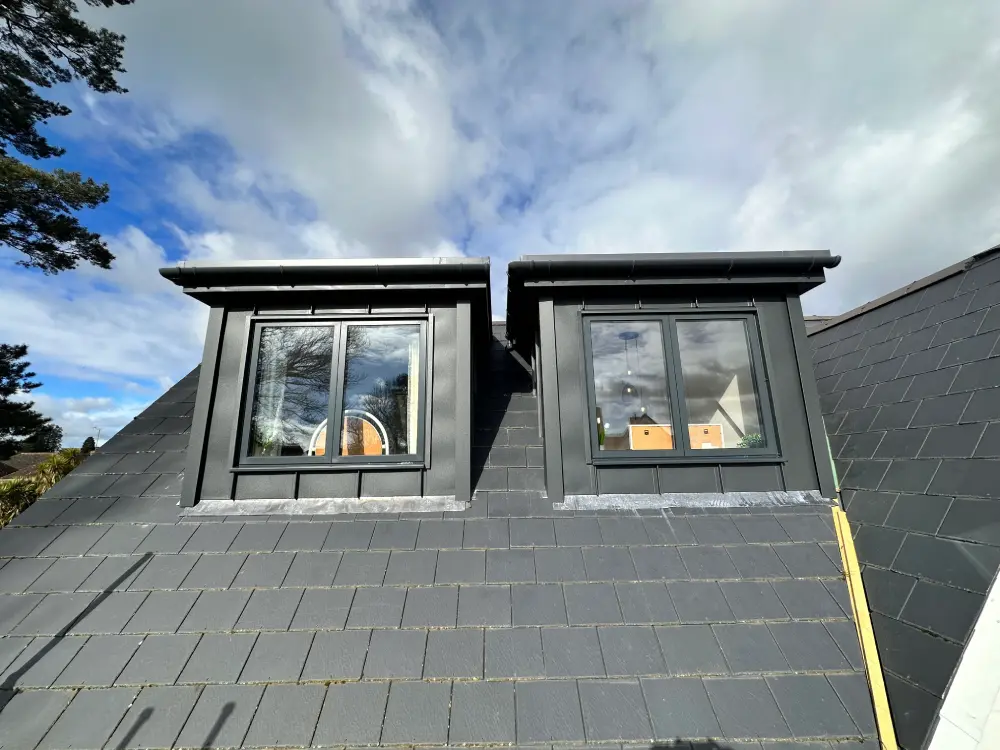
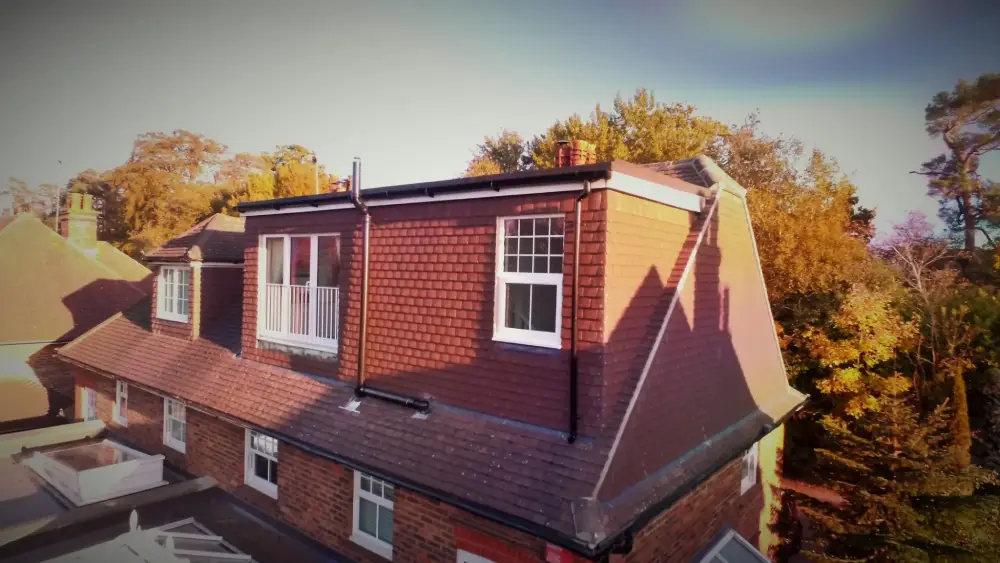
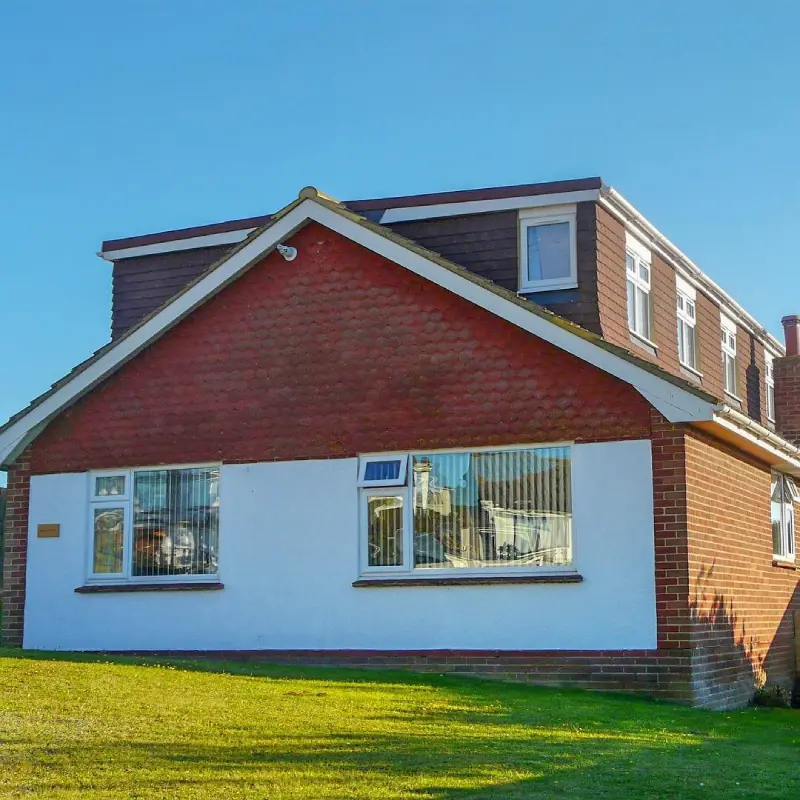
This type of conversion extends vertically from the existing roof slope, creating a raised box-shaped structure that maximises usable floor area and head height. For many homeowners, it’s the ideal middle-ground between low-cost and high-impact upgrade options.
One of the biggest advantages of a dormer is the amount of standing room it creates. Traditional lofts often have limited head height, making them difficult to use as functional spaces. By adding vertical walls and a flat or slightly sloped roof, the dormer transforms cramped lofts into open rooms suitable for multiple uses. The extra windows installed as part of the structure also help to brighten the space, creating a more inviting atmosphere.
Is Your Home Suitable For a Dormer Loft Conversion?
Dormers are highly versatile and can be adapted to a wide range of house styles, including terraces, semis and detached homes. They work especially well on properties with pitched roofs that have enough height to accommodate the extension. In many cases, a standard rear dormer can be completed without full planning permission under permitted development rights, although this does depend on individual property circumstances and any local planning restrictions.
Dormers are popular because they are cost-effective while still providing significant extra room. They are commonly used to create additional bedrooms, en-suite bathrooms, playrooms or even multi-functional family spaces.
What type of loft conversion do you want?
Structural changes
No structural changes
Storage purposes
Fit a skylight
It only takes 60 seconds
Find out if your loft is suitable for conversion and get a clear idea of costs — with no obligation.
What Happens When Adding a Loft Conversion?
The construction process usually begins with assessing the existing roof structure, checking for load-bearing capacity and ensuring that the loft is suitable for conversion. Once approved, the build may involve reinforcing the floor, adjusting the roof, inserting steel beams if needed, and installing insulation, windows and internal fixtures. Although it is a structural change, dormer conversions are less disruptive than many expect, as most of the work can be carried out externally until the staircase is added.
Although every home differs, the following features are typical considerations for dormer conversions:
• Structural reinforcement
• Roof extension and timber construction
• Installation of dormer windows
• Enhanced insulation and ventilation
• Electrical and plumbing options
• Staircase fitting
For a Quality Dormer Loft Extension – Choose Oakwood Lofts
With the right design and planning, a dormer loft conversion can transform an unused space into one of the most valuable areas in the house. It offers an appealing balance of affordability, versatility and added square footage, making it a popular choice for homeowners looking to expand without moving. At Oakwood Lofts, we take time to understand your requirements, your budget, and your property’s structure. Ask us for advice and a quote for a loft extension in Worthing, Brighton, Henfield, Littlehampton, Billingshurst and across Sussex.
Related articles
Estimate Your Loft Conversion Costs
Structural changes
No structural changes
Storage purposes
Fit a skylight
At a glance
Dormer loft conversions open up a wide range of possibilities for transforming your home. With the generous headroom and floor space they provide, you can design almost any type of room to suit your lifestyle. Many homeowners choose to add an extra bedroom or create a quiet home office that’s separate from the main living areas. Others take the opportunity to build a dedicated cinema room, a playroom, or a hobby and craft studio.
One of the major advantages of a dormer is the way it improves the overall functionality of the house. The added storage, such as eaves cupboards or shelving, can help free up space on the lower floors, making the whole property feel more organised and spacious. By giving everything a place to be stored, a dormer conversion enhances both the practicality and the comfort of your entire home.
What is a Dormer Loft Conversion?
This type of conversion extends vertically from the existing roof slope, creating a raised box-shaped structure that maximises usable floor area and head height. For many homeowners, it’s the ideal middle-ground between low-cost and high-impact upgrade options.
One of the biggest advantages of a dormer is the amount of standing room it creates. Traditional lofts often have limited head height, making them difficult to use as functional spaces. By adding vertical walls and a flat or slightly sloped roof, the dormer transforms cramped lofts into open rooms suitable for multiple uses. The extra windows installed as part of the structure also help to brighten the space, creating a more inviting atmosphere.
Is Your Home Suitable For a Dormer Loft Conversion?
Dormers are highly versatile and can be adapted to a wide range of house styles, including terraces, semis and detached homes. They work especially well on properties with pitched roofs that have enough height to accommodate the extension. In many cases, a standard rear dormer can be completed without full planning permission under permitted development rights, although this does depend on individual property circumstances and any local planning restrictions.
Dormers are popular because they are cost-effective while still providing significant extra room. They are commonly used to create additional bedrooms, en-suite bathrooms, playrooms or even multi-functional family spaces.
What type of loft conversion do you want?
Structural changes
No structural changes
Storage purposes
Fit a skylight
It only takes 60 seconds
Find out if your loft is suitable for conversion and get a clear idea of costs — with no obligation.
What Happens When Adding a Loft Conversion?
The construction process usually begins with assessing the existing roof structure, checking for load-bearing capacity and ensuring that the loft is suitable for conversion. Once approved, the build may involve reinforcing the floor, adjusting the roof, inserting steel beams if needed, and installing insulation, windows and internal fixtures. Although it is a structural change, dormer conversions are less disruptive than many expect, as most of the work can be carried out externally until the staircase is added.
Although every home differs, the following features are typical considerations for dormer conversions:
• Structural reinforcement
• Roof extension and timber construction
• Installation of dormer windows
• Enhanced insulation and ventilation
• Electrical and plumbing options
• Staircase fitting
For a Quality Dormer Loft Extension – Choose Oakwood Lofts
With the right design and planning, a dormer loft conversion can transform an unused space into one of the most valuable areas in the house. It offers an appealing balance of affordability, versatility and added square footage, making it a popular choice for homeowners looking to expand without moving. At Oakwood Lofts, we take time to understand your requirements, your budget, and your property’s structure. Ask us for advice and a quote for a loft extension in Worthing, Brighton, Henfield, Littlehampton, Billingshurst and across Sussex.