Hip-to-Gable Loft Conversions: Expanding Space in a Smart Way
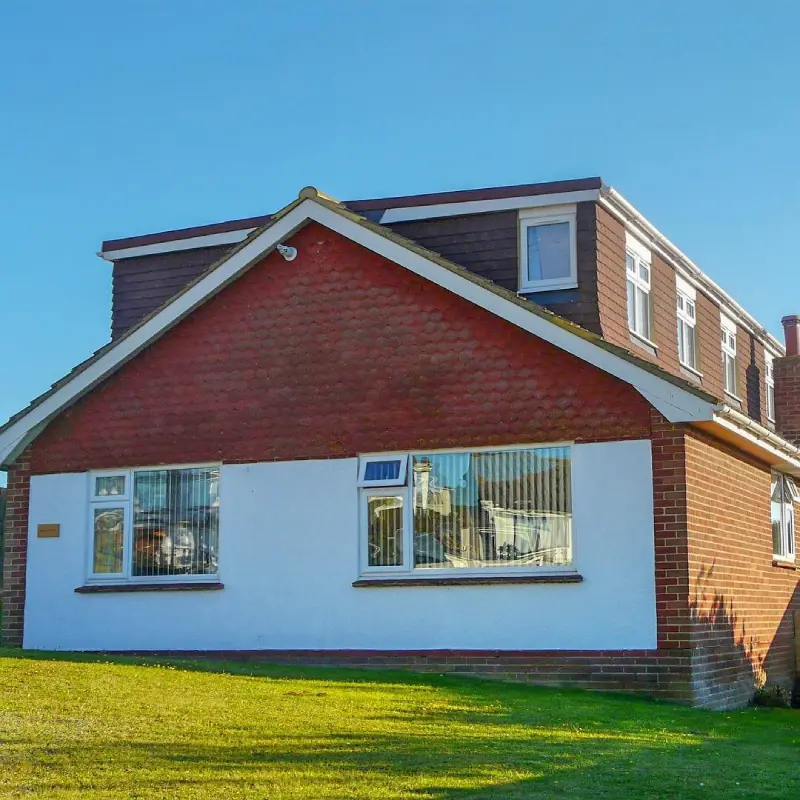
A hip-to-gable loft conversion is a clever way to maximise space in homes with roofs that slope down on three sides. These roof shapes often restrict what can be done with the loft area. By building up the sloping side to form a vertical gable wall, the conversion significantly increases internal volume, making the loft far more practical and easier to transform into a usable room. This approach is particularly well-suited to semi-detached, detached and end-of-terrace properties where the roof shape limits head height and floor area.

Why you can trust our content
At a glance
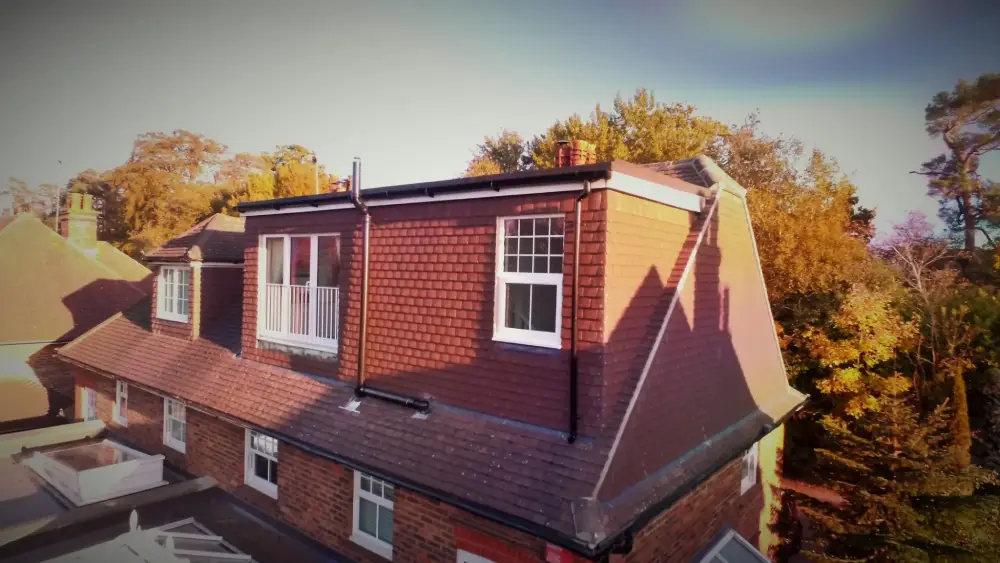
The extra space created makes it possible to design a full bedroom, a home office, or even an en-suite layout that would not have fitted within the original roof structure. The new gable wall brings a more balanced, modern look to the exterior of the home, while the improved internal proportions make the loft feel like a natural continuation of the storey below.
Why Choose a Hip-to-Gable Loft Conversion
Many homeowners choose a hip-to-gable conversion when they’re looking for more than a modest increase in space. A hip-to-gable changes the shape of the roof entirely. The new shape creates a much larger and more flexible interior. When combined with a rear dormer, the results can be dramatic, often turning previously cramped lofts into full-sized rooms comparable to those on the main floors of the home.
Another advantage of this conversion is the way it enhances the property’s proportions. Extending the hip into a gable provides a more balanced roofline that feels natural and cohesive. It also gives you the option of adding new windows to bring in more light, improving both the functionality and the atmosphere of the finished space.
What type of loft conversion do you want?
Structural changes
No structural changes
Storage purposes
Fit a skylight
It only takes 60 seconds
Find out if your loft is suitable for conversion and get a clear idea of costs — with no obligation.
What to Expect With a Hip-to-Gable Loft Extension
Planning permission may or may not be required, depending on the size of the extension and local regulations. In some cases, hip-to-gable conversions fall under permitted development rights, but it’s always important to check before starting. Because the conversion alters the external shape of the roof, planning teams sometimes want to assess the design to ensure it fits the surrounding area.
The construction phase usually involves building the new gable wall, adjusting the roof structure and adding supports as needed. Insulation, ventilation and structural strengthening are all key parts of the process. Once the main framework is complete, the space can be fitted out with flooring, electrics, heating and internal finishes.
Key features typically involved in hip-to-gable loft conversions include:
• Replacing the sloped hip with a vertical gable end
• Reinforcing the existing roof structure
• Significant increases in usable floor area
• Option to combine with a rear dormer
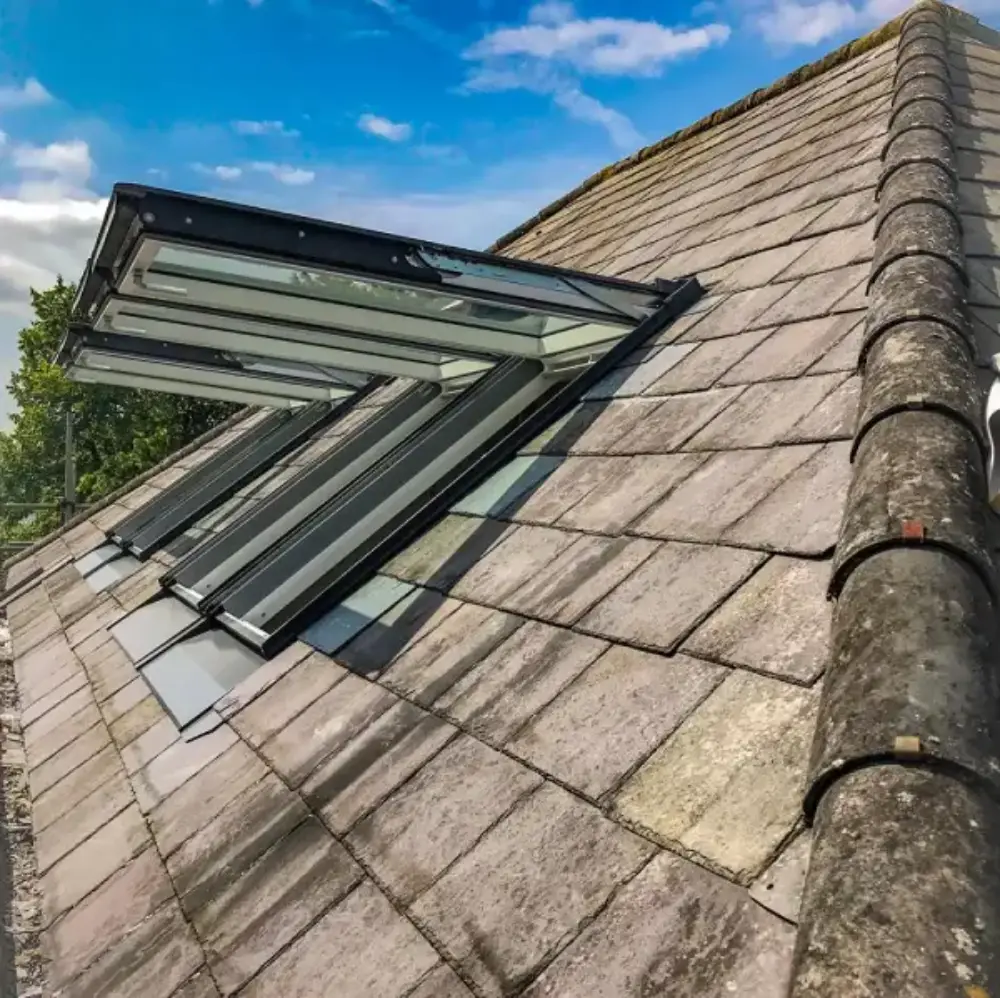
• Installation of windows for added light
• Improved potential for multi-room layouts
The Benefits of This Type of Loft Conversion
A hip-to-gable conversion is particularly beneficial for homeowners who want a sizable loft space without extending outwards. It offers increased headroom and floor space, making it easier to create rooms that feel bright and spacious. Common uses include master bedrooms, en-suite bathrooms, home offices or even open-plan studio-style layouts.
For many households, the extra flexibility and volume created by a hip-to-gable conversion make it a strong contender when choosing how to expand their home. It’s a smart way to unlock space that already exists, transforming an awkward loft into a comfortable, functional extension of the home.
If you are considering a loft conversion in West Sussex or East Sussex, get in touch with the team here at Oakwood Lofts. We are happy to discuss your ideas and provide a free quote.
Related articles
Estimate Your Loft Conversion Costs
Structural changes
No structural changes
Storage purposes
Fit a skylight
At a glance
The extra space created makes it possible to design a full bedroom, a home office, or even an en-suite layout that would not have fitted within the original roof structure. The new gable wall brings a more balanced, modern look to the exterior of the home, while the improved internal proportions make the loft feel like a natural continuation of the storey below.
Why Choose a Hip-to-Gable Loft Conversion
Many homeowners choose a hip-to-gable conversion when they’re looking for more than a modest increase in space. A hip-to-gable changes the shape of the roof entirely. The new shape creates a much larger and more flexible interior. When combined with a rear dormer, the results can be dramatic, often turning previously cramped lofts into full-sized rooms comparable to those on the main floors of the home.
Another advantage of this conversion is the way it enhances the property’s proportions. Extending the hip into a gable provides a more balanced roofline that feels natural and cohesive. It also gives you the option of adding new windows to bring in more light, improving both the functionality and the atmosphere of the finished space.
What type of loft conversion do you want?
Structural changes
No structural changes
Storage purposes
Fit a skylight
It only takes 60 seconds
Find out if your loft is suitable for conversion and get a clear idea of costs — with no obligation.
What to Expect With a Hip-to-Gable Loft Extension
Planning permission may or may not be required, depending on the size of the extension and local regulations. In some cases, hip-to-gable conversions fall under permitted development rights, but it’s always important to check before starting. Because the conversion alters the external shape of the roof, planning teams sometimes want to assess the design to ensure it fits the surrounding area.
The construction phase usually involves building the new gable wall, adjusting the roof structure and adding supports as needed. Insulation, ventilation and structural strengthening are all key parts of the process. Once the main framework is complete, the space can be fitted out with flooring, electrics, heating and internal finishes.
Key features typically involved in hip-to-gable loft conversions include:
• Replacing the sloped hip with a vertical gable end
• Reinforcing the existing roof structure
• Significant increases in usable floor area
• Option to combine with a rear dormer
• Installation of windows for added light
• Improved potential for multi-room layouts
The Benefits of This Type of Loft Conversion
A hip-to-gable conversion is particularly beneficial for homeowners who want a sizable loft space without extending outwards. It offers increased headroom and floor space, making it easier to create rooms that feel bright and spacious. Common uses include master bedrooms, en-suite bathrooms, home offices or even open-plan studio-style layouts.
For many households, the extra flexibility and volume created by a hip-to-gable conversion make it a strong contender when choosing how to expand their home. It’s a smart way to unlock space that already exists, transforming an awkward loft into a comfortable, functional extension of the home.
If you are considering a loft conversion in West Sussex or East Sussex, get in touch with the team here at Oakwood Lofts. We are happy to discuss your ideas and provide a free quote.