Do You Need Planning Permission for a Loft Conversion?
If you’re planning to expand your living space with a loft conversion, one of the first questions that comes up is whether you’ll need planning permission. The answer often depends on the type of conversion you choose, how much your roofline will change, and whether your home falls within certain planning restrictions.
In most cases, loft conversions can be completed under what’s known as permitted development rights, which means you won’t need to go through the formal planning process. This is great news for homeowners looking to add space quickly and cost-effectively but there are still some important rules to follow.
At Oakwood Lofts, we help homeowners navigate the planning process with ease. Our experienced team will always confirm whether your project qualifies for permitted development and take care of any necessary drawings or applications.
Below, we explain when planning permission is (and isn’t) required for different types of loft conversions, along with the main conditions your project needs to meet.
What Is a Permitted Development Loft Conversion?
A permitted development loft conversion allows you to make certain changes to your property without having to apply for full planning permission. These rights are designed to make it easier for homeowners to improve their homes, as long as the work has minimal impact on the surrounding area or neighbouring properties.
To qualify as permitted development, your loft conversion must meet specific criteria, such as size limits and roof height restrictions. You’ll usually avoid planning permission if your project follows these general rules:
If your design fits within these parameters, you can typically proceed without a planning application. However, it’s always best to seek advice from an architect, surveyor or your local planning authority before any work begins.
Planning Permission for Different Types of Loft Conversions
Each style of loft conversion has its own characteristics and that can affect whether planning permission is required. Here’s a breakdown of the main types:

Hip-to-Gable Loft Conversions
A hip-to-gable loft conversion involves extending the sloping side of a hipped roof to create a straight gable wall, increasing the usable internal space.
This style is common on semi-detached or detached homes with hipped roofs and usually doesn’t require planning permission, as long as the extension fits within the cubic volume limits and doesn’t raise the roof height.
However, if your home has multiple roof slopes or you plan to combine this with a rear dormer extension, it’s always worth confirming whether planning consent is needed before construction starts.

Dormer Loft Conversions
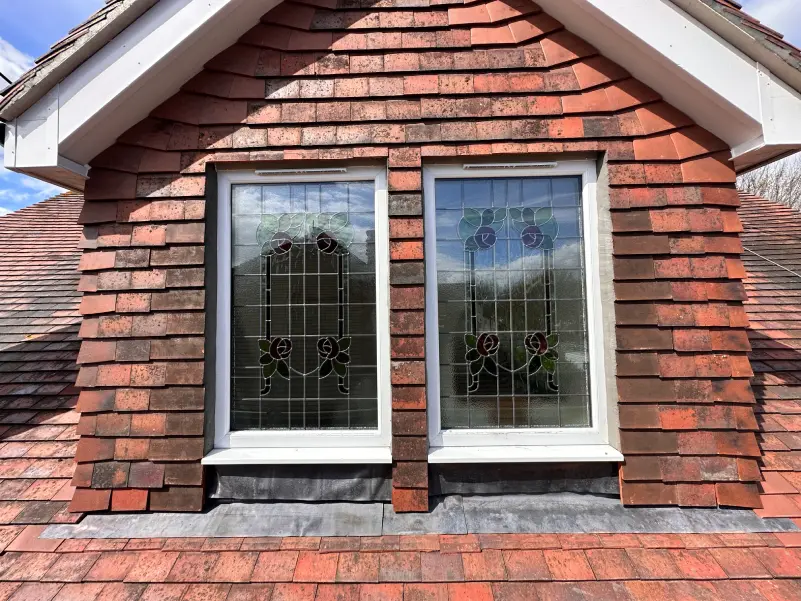
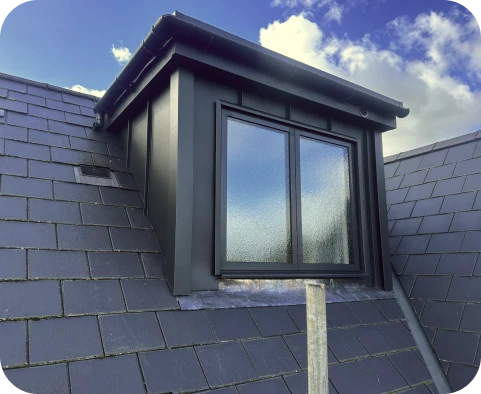
A dormer loft conversion adds a small extension that projects vertically from your roof slope, increasing floor space and headroom.
Most dormer conversions do not require planning permission, provided the extension is modest in size and positioned at the rear of the property. However, larger dormers or those that extend beyond the highest point of your roof or wrap around the sides are more likely to need approval.
If your property is in a conservation area or has a particularly prominent roofline, additional permissions may also apply.

Rooflight Loft Conversions
A rooflight (or Velux) loft conversion is the simplest type of loft upgrade. It involves fitting roof windows into the existing slope and adding insulation, flooring, and a staircase to create usable space.
Because this design doesn’t alter the shape of your roof, it almost always falls within permitted development. You’re not extending the property just making the existing loft habitable which means planning permission is rarely required.
When Planning Permission May Be Required
Even with permitted development rights, there are situations where planning permission becomes necessary, such as:
If any of these apply, don’t worry planning permission is still achievable. At Oakwood Lofts, we can help with the full process, including submitting plans and liaising with your local authority to ensure everything runs smoothly.
What are Building Regs. and Do You Need Them?
Building Regulations apply in England & Wales and they promote standards for the building construction industry. Building regulations approval is required to convert a loft or attic into a livable space and it is our responsibility, as your loft conversion company, to organise building regs. inspections and approval.
As a team of certified tradesmen, we uphold a quality of work that ensures that these standards are met and approval is granted.
County Building Control (CBC) are the Building Regulations people who inspect and sign off our work for all our projects.

What is a Party Wall Agreement and Do You Need One?
Semi-detached and terraced houses share walls with other properties, and it’s a legal requirement that, whenever a loft is converted, you have to alert and seek approval from the people on the other side of the wall through a party wall agreement. We can provide you with full advice on this paperwork.
Expert Loft Conversion Advice in West Sussex
Understanding planning rules can be confusing, but you don’t have to figure it out alone. Our experienced surveyors and designers have helped hundreds of homeowners across Brighton, Worthing, Shoreham, Burgess Hill and Henfield complete their loft conversions legally and efficiently.
Whether your project qualifies for permitted development or requires planning approval, Oakwood Lofts will handle every detail from concept to completion.
If you’re thinking about converting your loft but aren’t sure about planning requirements, we’re here to help. Book a free home survey today, and our team will explain exactly what’s possible for your property, including whether planning permission is required.