What Makes a Velux Loft Conversion Different?
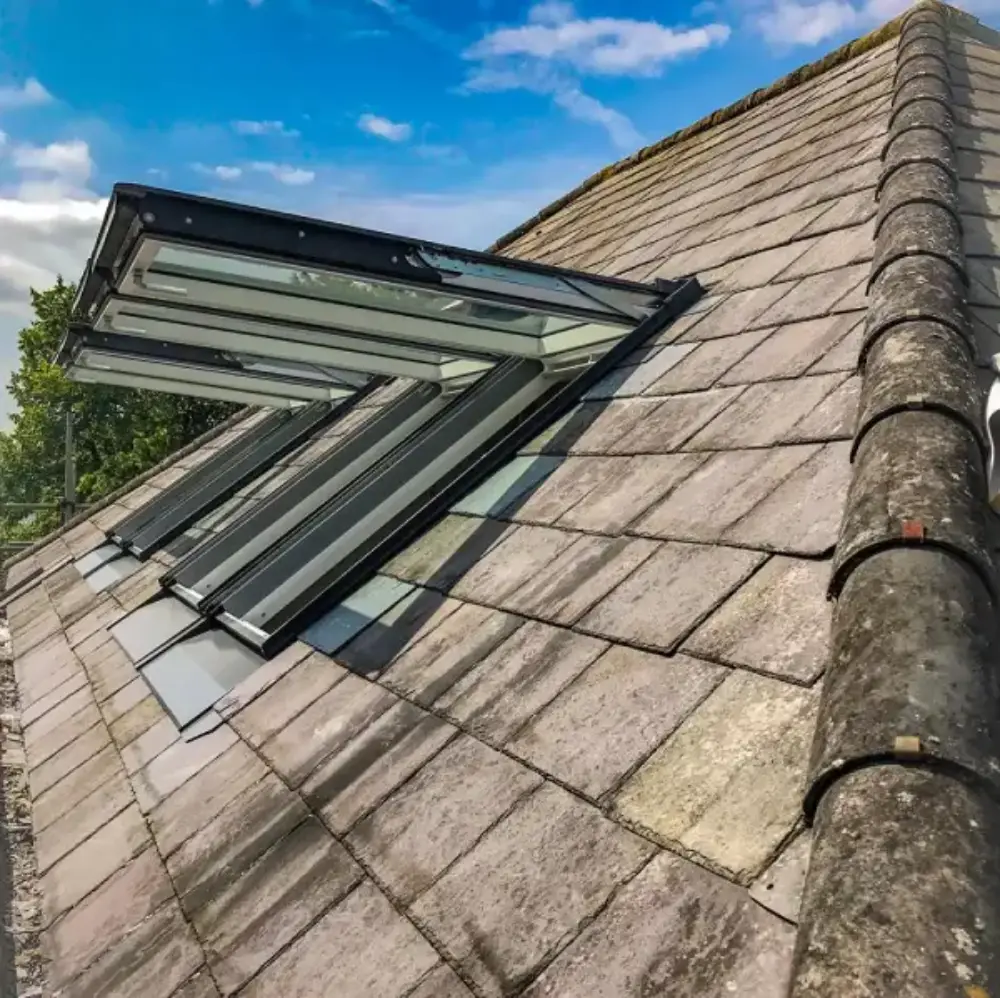
A Velux roof light conversion is one of the least intrusive ways to transform an unused attic into a functional room. Unlike dormer or hip-to-gable projects, this approach works within the existing roof shape. Velux windows are added directly into the roofline, introducing natural light and ventilation without altering the external structure. Because the roof remains largely untouched, the overall appearance of the property stays the same.

Why you can trust our content
At a glance
This type of conversion works particularly well in lofts that already have adequate head height. Homes with steep pitched roofs benefit the most, as the internal space allows for standing height without major changes. It’s also ideal for properties in conservation areas where external alterations may be restricted, as roof lights are generally less visually impactful and more likely to be approved.
Why Velux Roof Light Conversions Are So Cost-Effective
A key appeal of a Velux loft conversion is its relatively low cost compared to other types. Because the main roof structure remains intact, construction involves fewer materials and less labour. There’s usually no need for extensive scaffolding or major changes to the roofline, which shortens build time and reduces disruption. This makes it one of the most economical ways to add a new bedroom, study, or hobby room to a home.
Bringing Light Into the Space
Velux roof windows are designed to maximise natural daylight, transforming what was once a dim attic into a bright and comfortable living area. The angle of the roof window allows light to pour directly into the space, creating an airy atmosphere throughout the day. Homeowners can choose from a wide range of window styles and configurations including top-hung, centre-pivot and electric models to suit the way they want the room to feel and function.
The sloping roof itself becomes part of the experience. Rather than flattening the space with structural alterations, keeping the original pitch adds charm and character, giving the room a distinctive shape that feels cosy yet open. The angles created by the rafters naturally complement the roof windows, framing the sky and allowing sunlight to trace across the room in ways that are unique to loft interiors.
When multiple Velux windows are placed thoughtfully, airflow improves dramatically. Fresh air can circulate more freely, helping regulate temperature in the room. The combination of natural light and enhanced ventilation helps the space feel larger, fresher and more inviting. The overall effect is a loft that is a pleasure to spend time in.
What type of loft conversion do you want?
Structural changes
No structural changes
Storage purposes
Fit a skylight
It only takes 60 seconds
Find out if your loft is suitable for conversion and get a clear idea of costs — with no obligation.
Planning Permissions
One of the major benefits of a Velux conversion is that it often falls within permitted development. Since the roofline remains unchanged, planning permission is usually not required unless the property is listed or subject to specific local restrictions. Building regulations still apply, particularly regarding insulation, fire escape routes and structural integrity, but the approval process is generally straightforward.
Because the project uses the existing roof structure, construction is typically cleaner and quicker than other conversion types. Work usually starts with reinforcing the floor, adding insulation and creating the internal layout. Velux windows are then fitted directly into the roof, followed by plastering and finishing. Most homeowners find the process less disruptive than they expect, especially compared to larger loft builds.
Using Your Velux Window Loft Extension
Despite being one of the simplest types of loft conversion, a Velux roof light design can serve a wide variety of purposes. The room could become a home office, an extra bedroom, a study area, a creative studio or a play room. The finished space feels airy and inviting because of the amount of natural light supplied by the roof windows.
A Velux roof light loft conversion is an excellent choice for anyone wanting to add functional space without extensive building work. It’s cost-effective, bright, versatile and ideal for homes with suitable roof height. For many households, it offers a practical route to expanding their living space while maintaining the original charm and character of the property. Get in touch with us here at Oakwood Lofts we provide no obligation quotes for loft conversions in Worthing, Brighton, Haywards Heath, Henfield and Littlehampton.
Related articles
Estimate Your Loft Conversion Costs
Structural changes
No structural changes
Storage purposes
Fit a skylight
At a glance
This type of conversion works particularly well in lofts that already have adequate head height. Homes with steep pitched roofs benefit the most, as the internal space allows for standing height without major changes. It’s also ideal for properties in conservation areas where external alterations may be restricted, as roof lights are generally less visually impactful and more likely to be approved.
Why Velux Roof Light Conversions Are So Cost-Effective
A key appeal of a Velux loft conversion is its relatively low cost compared to other types. Because the main roof structure remains intact, construction involves fewer materials and less labour. There’s usually no need for extensive scaffolding or major changes to the roofline, which shortens build time and reduces disruption. This makes it one of the most economical ways to add a new bedroom, study, or hobby room to a home.
Bringing Light Into the Space
Velux roof windows are designed to maximise natural daylight, transforming what was once a dim attic into a bright and comfortable living area. The angle of the roof window allows light to pour directly into the space, creating an airy atmosphere throughout the day. Homeowners can choose from a wide range of window styles and configurations including top-hung, centre-pivot and electric models to suit the way they want the room to feel and function.
The sloping roof itself becomes part of the experience. Rather than flattening the space with structural alterations, keeping the original pitch adds charm and character, giving the room a distinctive shape that feels cosy yet open. The angles created by the rafters naturally complement the roof windows, framing the sky and allowing sunlight to trace across the room in ways that are unique to loft interiors.
When multiple Velux windows are placed thoughtfully, airflow improves dramatically. Fresh air can circulate more freely, helping regulate temperature in the room. The combination of natural light and enhanced ventilation helps the space feel larger, fresher and more inviting. The overall effect is a loft that is a pleasure to spend time in.
What type of loft conversion do you want?
Structural changes
No structural changes
Storage purposes
Fit a skylight
It only takes 60 seconds
Find out if your loft is suitable for conversion and get a clear idea of costs — with no obligation.
Planning Permissions
One of the major benefits of a Velux conversion is that it often falls within permitted development. Since the roofline remains unchanged, planning permission is usually not required unless the property is listed or subject to specific local restrictions. Building regulations still apply, particularly regarding insulation, fire escape routes and structural integrity, but the approval process is generally straightforward.
Because the project uses the existing roof structure, construction is typically cleaner and quicker than other conversion types. Work usually starts with reinforcing the floor, adding insulation and creating the internal layout. Velux windows are then fitted directly into the roof, followed by plastering and finishing. Most homeowners find the process less disruptive than they expect, especially compared to larger loft builds.
Using Your Velux Window Loft Extension
Despite being one of the simplest types of loft conversion, a Velux roof light design can serve a wide variety of purposes. The room could become a home office, an extra bedroom, a study area, a creative studio or a play room. The finished space feels airy and inviting because of the amount of natural light supplied by the roof windows.
A Velux roof light loft conversion is an excellent choice for anyone wanting to add functional space without extensive building work. It’s cost-effective, bright, versatile and ideal for homes with suitable roof height. For many households, it offers a practical route to expanding their living space while maintaining the original charm and character of the property. Get in touch with us here at Oakwood Lofts we provide no obligation quotes for loft conversions in Worthing, Brighton, Haywards Heath, Henfield and Littlehampton.