Understanding the L-Shaped Loft Design
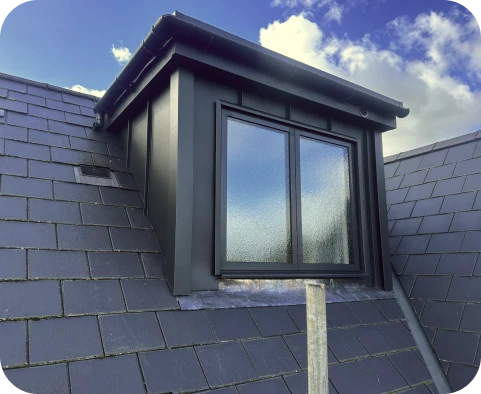
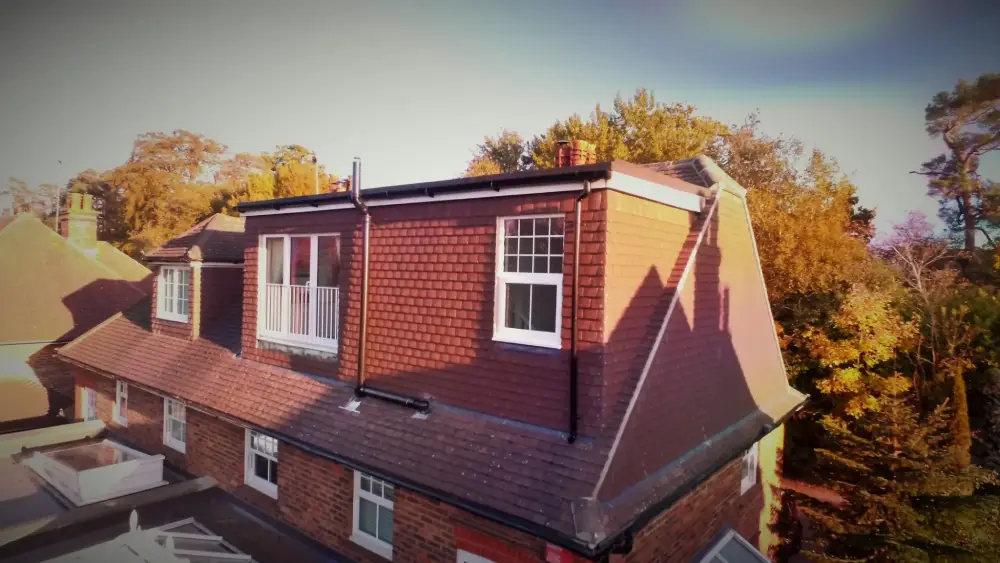
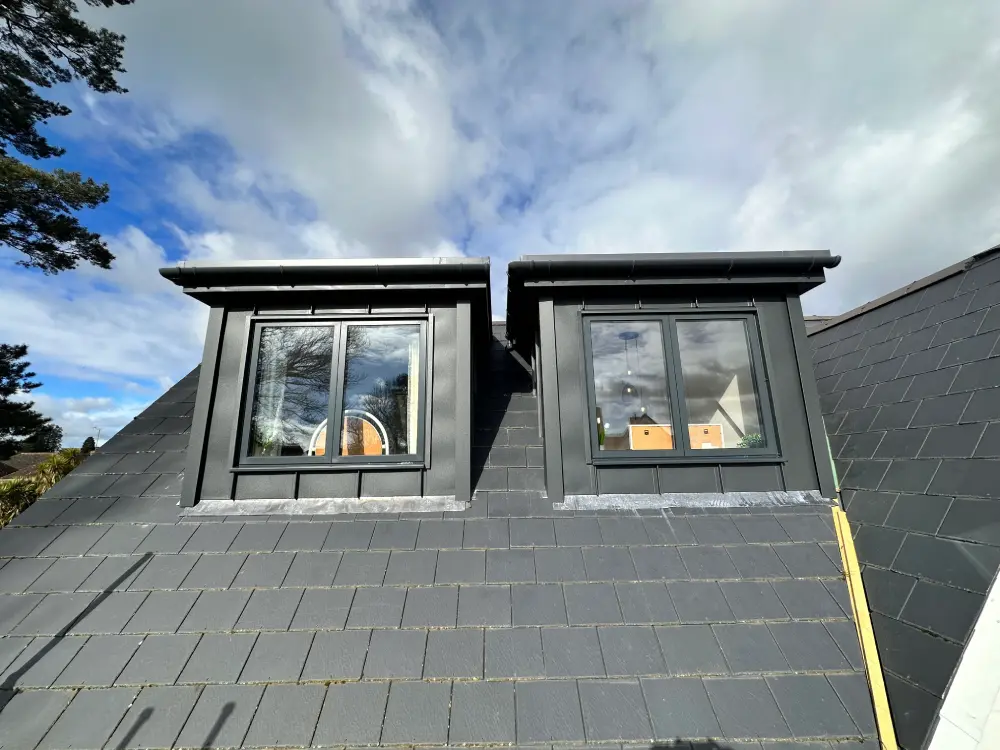
An L-shaped loft conversion is created by combining two dormers: one built over the main roof and another positioned over the rear extension, forming an “L” configuration. This layout makes excellent use of properties with existing rear additions, particularly Victorian and Edwardian terraces. The shape naturally creates distinct zones within the loft, giving homeowners more flexibility in how the new space is designed.

Why you can trust our content
At a glance
Many people favour an L-shaped loft due to the generous floorspace it provides. Compared with a standard dormer, the extended shape offers a more expansive footprint, allowing the loft to feel like a natural continuation of the home rather than a secondary space. Natural light can still flow into the conversion through carefully placed windows, and the configuration creates multiple usable corners that easily accommodate storage, wardrobes or seating areas.
Ideal Properties for This Type of Conversion
Certain house styles lend themselves particularly well to an L-shaped layout. Homes with rear outrigger walls or two-tiered roofs typically have the right structure to support an extended dormer over both roof sections. This makes the conversion especially popular in older urban areas that feature traditional terraced housing. The existing architecture often provides the perfect foundation, reducing the need for major structural changes.
One of the biggest advantages of an L-shaped loft is its versatility. With the substantial extra room created, homeowners often choose layouts such as a master suite with its own bathroom, a spacious home office, or two separate bedrooms. The angled design naturally separates areas, making the loft feel like a self-contained floor rather than an extension. It’s also a strong choice for households needing a multifunction room that can evolve over time.
Planning Considerations for L-Shaped Loft Conversions
While L-shaped conversions often fall under permitted development, factors such as conservation areas, roof height and property location can influence planning approval. Because the conversion alters two roof planes instead of one, the project may involve more complex structural work and therefore could require additional professional input. Good planning ensures the new structure blends well with the original building while still meeting building regulations.
What type of loft conversion do you want?
Structural changes
No structural changes
Storage purposes
Fit a skylight
It only takes 60 seconds
Find out if your loft is suitable for conversion and get a clear idea of costs — with no obligation.
What You Can Expect During the Build
Once the design is finalised, construction typically begins by reinforcing the floor structure and installing steel supports where required. The two dormers are then built to form the L-shape, followed by insulation, internal walls and finishing work. The overall timeline varies depending on property type, but most L-shaped loft conversions follow a predictable pattern with clear stages, allowing homeowners to plan around the build.
What type of loft conversion do you want?
Structural changes
No structural changes
Storage purposes
Fit a skylight
It only takes 60 seconds
Find out if your loft is suitable for conversion and get a clear idea of costs — with no obligation.
Does an L-Shaped Loft Conversion Add Value?
An L-shaped loft conversion is one of the most valuable upgrades you can make to your home. Because it creates a significantly larger footprint than many other loft styles, it often delivers enough space for a full master suite, multiple bedrooms, or a generous home office paired with a bathroom. This level of additional living area can substantially increase your property’s market appeal.
Buyers are particularly drawn to L-shaped conversions because they make excellent use of the rear extensions commonly found in Victorian and Edwardian homes. The result is a layout that feels natural rather than forced, offering both practicality and architectural interest. Estate agents frequently regard this type of conversion as one of the best ways to boost resale value, with many homeowners seeing impressive returns on their investment.
Beyond financial benefits, an L-shaped conversion enhances the overall functionality of the home, making it more versatile for modern living. Whether you’re creating space for a growing family or adding rooms that improve everyday comfort, the added usability contributes to long-term value as well as immediate enjoyment.
Advice About A Loft Conversion
L-shaped loft conversions offer exceptional space and flexibility, making them a popular choice for growing families or anyone wanting to maximise their home’s potential. By taking advantage of the property’s existing shape, this type of conversion creates a substantial new living area that feels integrated, practical and full of character.
Ask the team here at Oakwood Lofts for advice and quote for a loft extension in Worthing, Brighton, Henfield, Littlehampton, Billingshurst and across Sussex.
Related articles
Estimate Your Loft Conversion Costs
Structural changes
No structural changes
Storage purposes
Fit a skylight
At a glance
Many people favour an L-shaped loft due to the generous floorspace it provides. Compared with a standard dormer, the extended shape offers a more expansive footprint, allowing the loft to feel like a natural continuation of the home rather than a secondary space. Natural light can still flow into the conversion through carefully placed windows, and the configuration creates multiple usable corners that easily accommodate storage, wardrobes or seating areas.
Ideal Properties for This Type of Conversion
Certain house styles lend themselves particularly well to an L-shaped layout. Homes with rear outrigger walls or two-tiered roofs typically have the right structure to support an extended dormer over both roof sections. This makes the conversion especially popular in older urban areas that feature traditional terraced housing. The existing architecture often provides the perfect foundation, reducing the need for major structural changes.
One of the biggest advantages of an L-shaped loft is its versatility. With the substantial extra room created, homeowners often choose layouts such as a master suite with its own bathroom, a spacious home office, or two separate bedrooms. The angled design naturally separates areas, making the loft feel like a self-contained floor rather than an extension. It’s also a strong choice for households needing a multifunction room that can evolve over time.
Planning Considerations for L-Shaped Loft Conversions
While L-shaped conversions often fall under permitted development, factors such as conservation areas, roof height and property location can influence planning approval. Because the conversion alters two roof planes instead of one, the project may involve more complex structural work and therefore could require additional professional input. Good planning ensures the new structure blends well with the original building while still meeting building regulations.
What type of loft conversion do you want?
Structural changes
No structural changes
Storage purposes
Fit a skylight
It only takes 60 seconds
Find out if your loft is suitable for conversion and get a clear idea of costs — with no obligation.
What You Can Expect During the Build
Once the design is finalised, construction typically begins by reinforcing the floor structure and installing steel supports where required. The two dormers are then built to form the L-shape, followed by insulation, internal walls and finishing work. The overall timeline varies depending on property type, but most L-shaped loft conversions follow a predictable pattern with clear stages, allowing homeowners to plan around the build.
What type of loft conversion do you want?
Structural changes
No structural changes
Storage purposes
Fit a skylight
It only takes 60 seconds
Find out if your loft is suitable for conversion and get a clear idea of costs — with no obligation.
Does an L-Shaped Loft Conversion Add Value?
An L-shaped loft conversion is one of the most valuable upgrades you can make to your home. Because it creates a significantly larger footprint than many other loft styles, it often delivers enough space for a full master suite, multiple bedrooms, or a generous home office paired with a bathroom. This level of additional living area can substantially increase your property’s market appeal.
Buyers are particularly drawn to L-shaped conversions because they make excellent use of the rear extensions commonly found in Victorian and Edwardian homes. The result is a layout that feels natural rather than forced, offering both practicality and architectural interest. Estate agents frequently regard this type of conversion as one of the best ways to boost resale value, with many homeowners seeing impressive returns on their investment.
Beyond financial benefits, an L-shaped conversion enhances the overall functionality of the home, making it more versatile for modern living. Whether you’re creating space for a growing family or adding rooms that improve everyday comfort, the added usability contributes to long-term value as well as immediate enjoyment.
Advice About A Loft Conversion
L-shaped loft conversions offer exceptional space and flexibility, making them a popular choice for growing families or anyone wanting to maximise their home’s potential. By taking advantage of the property’s existing shape, this type of conversion creates a substantial new living area that feels integrated, practical and full of character.
Ask the team here at Oakwood Lofts for advice and quote for a loft extension in Worthing, Brighton, Henfield, Littlehampton, Billingshurst and across Sussex.